Author interviews
-

Interview
BARBARA EHRENREICH, author of “Living with a Wild God”. “It’s rare to come across a memoir, perhaps especially by a woman writer, that is so much more focused on a philosophical coming of age than with emotional or sexual discovery.”
-
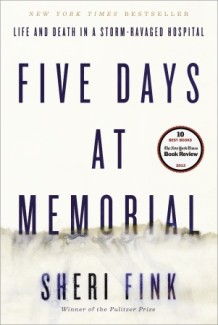
Interview
SHERI FINK, author of “Five Days at Memorial.” “It seemed urgent to trace what really happened, and why, so that any of us who might find ourselves in need of medical care – or be providing it – in a future disaster could learn from it.”
-
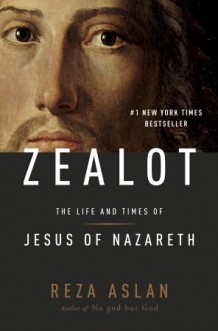
Interview
REZA ASLAN, author of “Zealot.” “Whether you think he’s God or not is fine, but just looking at him as a man, you cannot help but be blown away by him. You can’t help but want to know him and to follow him.”
-

Interview
KATE CHRISTENSEN, author of “Blue Plate Special.” “If food offers any balm, it’s the comfort of being in a world of pleasurable concreteness, one in which experience is evanescent and temporary.”
-
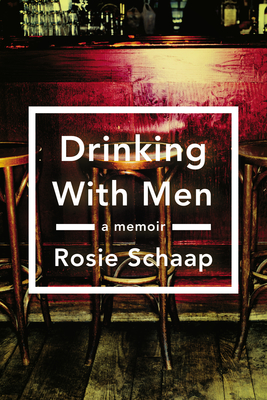
Interview
ROSIE SCHAAP, author of “Drinking with Men.” “There’s an assumption that a woman on her own at the bar must be sad, or must have nowhere else to be. Or must be looking to hook up, or to drink for free. None of these perceptions sits well with me.”
-

Interview
CARL ROLLYSON, author of “American Isis.” “I realized right at the beginning that there was no way that the Plath estate – especially given my point of view – would cooperate with me.”
-
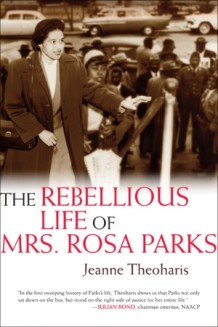
Interview
JEANNE THEOHARIS, author of “The Rebellious Life of Mrs. Rosa Parks.” “Our extremely limited history of Parks reveals our investment in the popular myths of the civil rights movement: the fable of the quiet seamstress doesn’t ask anything of us.”
-
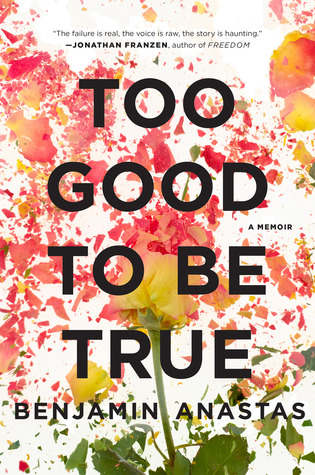
Interview
BENJAMIN ANASTAS, author of “Too Good to be True.” “I do think there’s a cautionary tale for young writers wrapped up in the story of how I lost my way, even if the mistakes I made are all my own.”
-
Interview
JOHN BOYNE, author of “The Absolutist.” “A lot of conscientious objectors would do some work on farms, or in field hospitals, or were made to be stretcher-bearers. But there was this small group of people, absolutists, who wouldn’t do anything.”

