Literature
-

Feature
ON MARJORIE HILLIS. “Live Alone and Like It” is a brisk and bracing self-help guide for women who, by choice or accident, find themselves “settling down to a solitary existence.”
-
Feature
Page-Turner at The New Yorker, July 1 2014. Uncovering the story of Ted Peckham and his thriving male-escort service in 1930s New York.
-
Feature
Poets & Writers, May/June 2014. With their new magazine, Scratch, Jane Friedman and Manjula Martin are busting through the last literary taboo: money.
-
Book Review
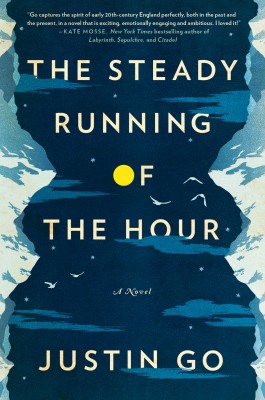
THE STEADY RUNNING OF THE HOUR, by Justin Go. “The plot, with its combination of world war, doomed romance and exotic locations, seems designed to catch the attention of Hollywood producers in search of another “English Patient.”
-

Interview
BARBARA EHRENREICH, author of “Living with a Wild God”. “It’s rare to come across a memoir, perhaps especially by a woman writer, that is so much more focused on a philosophical coming of age than with emotional or sexual discovery.”
-
Book Review
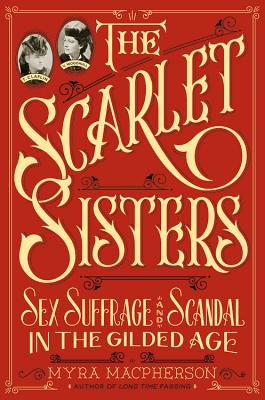
THE SCARLET SISTERS, by Myra MacPherson. “MacPherson hammers home the point that, even in 2014, powerful men treat women’s bodies as political bargaining chips. These Victorian sisters’ blast of protest against a restrictive and hypocritical status quo remains something to celebrate.”
-

Feature
THE GREAT WAR, By Joe Sacco. The panorama darkens as we move from behind-the-lines activity to the combat zone, from preparations to attack: a dark-grey wash marks nightfall, with small white patches picking out candlelit dugouts and distant explosions.
-
Book Review
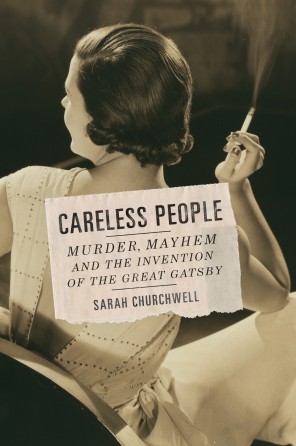
CARELESS PEOPLE, by Sarah Churchwell. It is art that eases our frustrations with a plot in which the “careless” escape and the dreamers are cut down, and it is to art that we are left wanting, ceaselessly, to return.
-

Feature
THE ART GENOME PROJECT. At first glance, Artsy.net looks like the minimalist homepage of a wealthy museum. But it’s what you can’t see—how the images are categorised and organised—that sets the site apart.
-
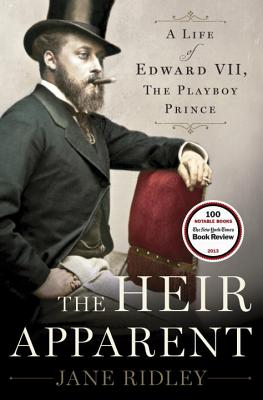
Book Review
THE HEIR APPARENT, by Jane Ridley. It’s hard not to see parallels between Bertie’s fate and that of his great-great-grandson Prince Charles, now 65: to spend adult life searching for something to do while waiting for Mother to die.
-

Book Review
BOOK OF AGES, by Jill Lepore. This luminous story of the life of Benjamin Franklin’s sister is stitched together from fragments and scraps, a life’s “remains”: literature and descendants.
-
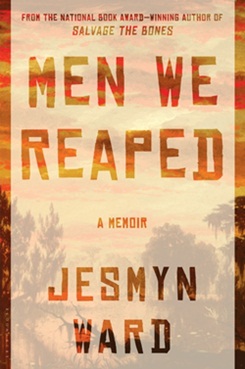
Interview
JESMYN WARD, author of “Men We Reaped.” “Part of what I’m trying to accomplish in the book is to shock people out of their complacency.”
-
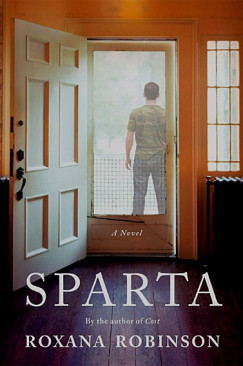
Review Essay
SPARTA, by Roxana Robinson. The unit fragments and the soldier finds himself alone, more deeply alone than he was before he enlisted, more alone than he has ever been.
-
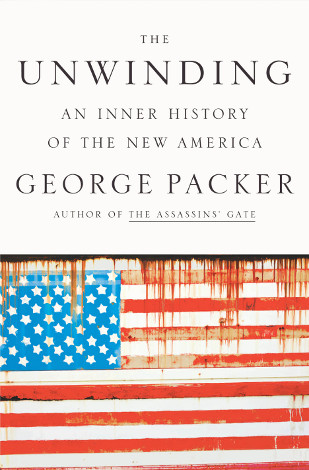
Feature
THE UNWINDING, by George Packer. If there is hope in these stories, it lies in the resilience of the ordinary characters Packer writes about with empathy, patience, and respect—in what he calls “the ability of people to survive in the middle of strong winds blowing.”
-
Book Review
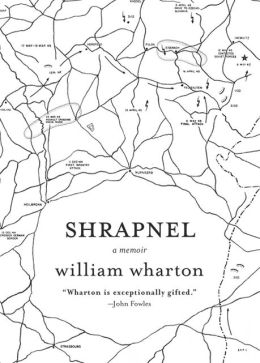
SHRAPNEL by William Wharton. Shrapnel wounds haphazardly—it can glance off the surface or lodge deep in the body. In William Wharton’s World War II memoir, it becomes a metaphor for the war’s psychic impact.
-

Book Review
CRUSOE, by Katherine Frank. The wrecking of a vessel on a remote island is an evergreen beginning for stories about what makes us civilized and human.
-
Book Review
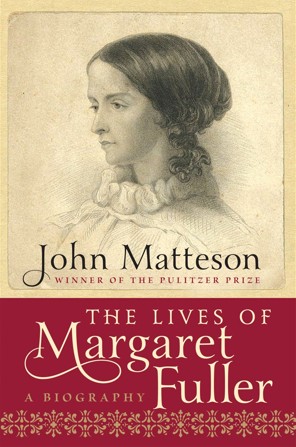
THE LIVES OF MARGARET FULLER, by John Matteson. By beginning with Fuller’s death — “Think first of endings” — Matteson purposely overshadows the book with a sense of loss.
-

Book Review
THE MISSING OF THE SOMME, by Geoff Dyer. A lyrical meditation on memory and the meaning of World War I, first published in Britain in 1994.
-
Feature
ON JESSIE REDMON FAUSET. In 1900 a full 90 percent of employed African-American women were in domestic or personal service; if nothing else, by portraying women of color as artists and businesspeople, Fauset cracked a window of opportunity into the gloom of ‘the help.’
-

Feature
PATRICK LEIGH FERMOR. He’s an autobiographer who can always see the past under the present as if through the thinnest gauze, and can imagine himself back into the mind and body of his 18-year-old self. The cold really bites, the fireplace and the beer really warm.
-
Art Review
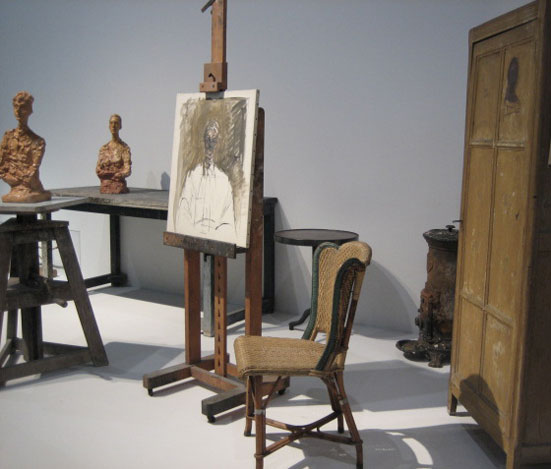
Mythologised by Jean Genet in a 1957 magazine article, Giacometti’s studio had a kind of celebrity of its own, with its small courtyard, rickety stairs, high windows and dusty figures in plaster and bronze.
-
Feature
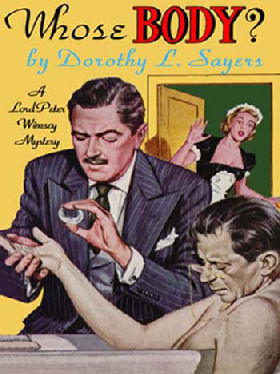
ON DOROTHY L. SAYERS. She was supremely conscious of genre, embracing parody and in-jokes for aficionados of the game, yet she was also deeply aware that characters are not plastic pieces on a cardboard set, and that crimes are not committed for the fun of being solved.
-

Event Review
WARM UP AT PS1. For many of the artists in the show, music offers a way of exploring the wobbly line between intention and chance.

 JOANNA SCUTTS